In a past global HR transformation I supported, one lesson became unmistakably clear: even the best‑designed initiatives fail when organizations treat project management and change management as interchangeable. They are deeply connected, but they serve fundamentally different purposes — and success requires both working in tandem.
Many HR teams underestimate this distinction. They invest heavily in planning, timelines, and deliverables, but far less in preparing people to adopt new ways of working. The result is predictable: processes are redesigned but not followed, technology is implemented but under‑used, and operating models are updated but never fully embedded.
Understanding the difference is the first step toward avoiding those pitfalls.
Project Management: Delivering the Work
Project management is the engine that drives execution. It ensures the initiative is scoped, structured, and delivered on time. In the transformation I supported, project management guided:
- Workstream planning
- Milestones and timelines
- Risk and dependency management
- Resource coordination
- Governance and reporting
Project management answers the operational questions:
- What needs to be delivered?
- By when?
- By whom?
- What are the risks?
It is about building the solution — the processes, tools, systems, and structures that enable better HR service delivery.
Change Management: Making the Change Stick
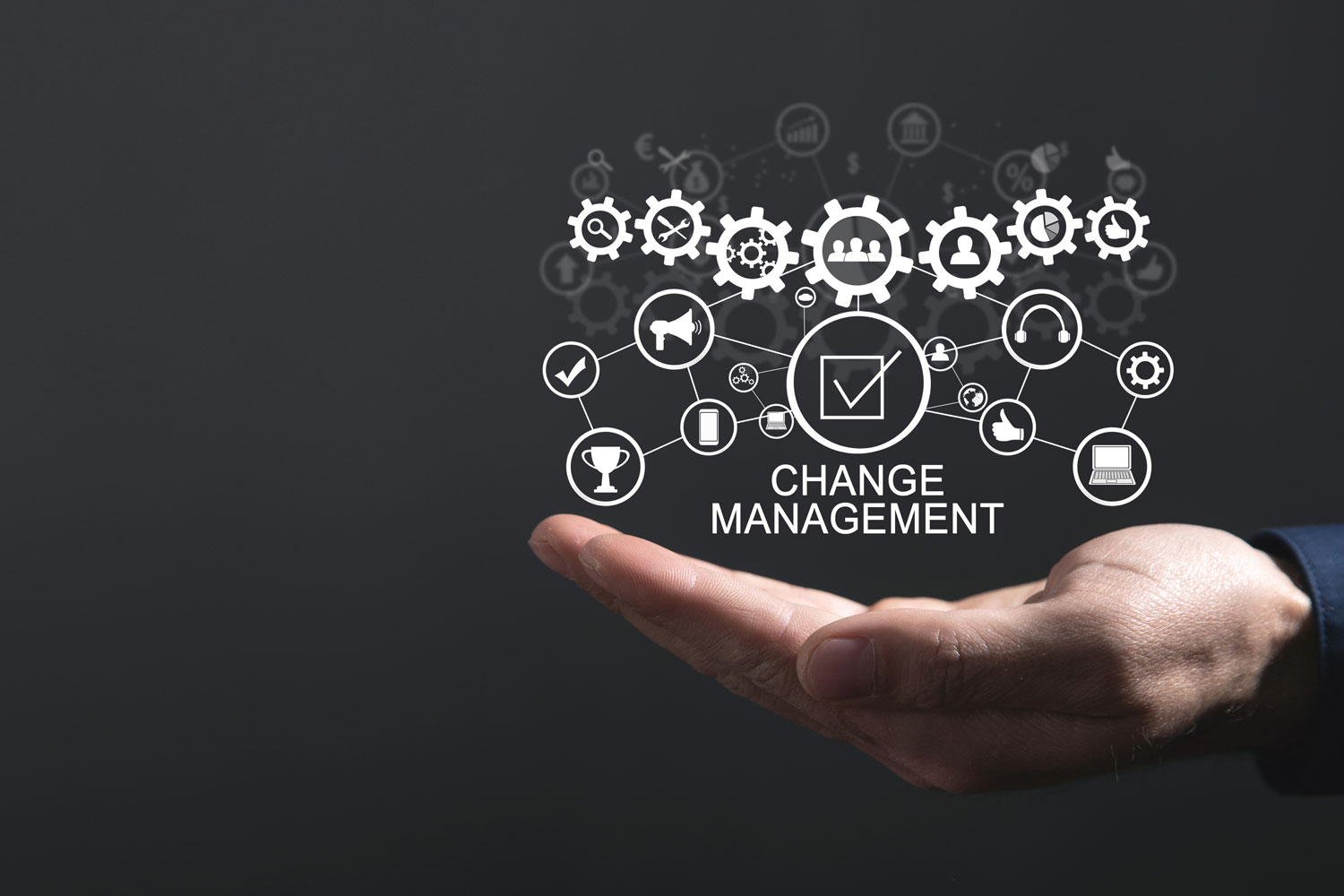
Change management, on the other hand, focuses on people — their awareness, understanding, adoption, and long‑term sustainment. In that same past engagement, change management ensured:
- Leaders understood their role in reinforcing new expectations
- Employees knew what was changing and why
- Training supported new processes and tools
- Communications were clear, timely, and targeted
- Adoption was measured and reinforced over time
Change management answers the human questions:
- Do people understand the change?
- Are they prepared to adopt it?
- Are they actually using the new processes or tools?
- Will the change last?
It is about embedding the solution — ensuring new behaviors become the norm rather than a temporary effort.
Why HR Transformations Fail Without Both
In my past experience, the organizations that struggled were not lacking in project plans. They were lacking in adoption. They delivered new processes but didn’t reinforce them. They launched new technology but didn’t prepare people to use it. They clarified roles but didn’t help teams transition into them.
The result was predictable:
- Inconsistent execution
- Unclear ownership
- Fragmented employee experiences
- Reduced ROI on technology and process investments
Project management alone can deliver a new process. Change management ensures people follow it.
Project management can launch a new system. Change management ensures people use it.
Project management can redesign roles. Change management ensures people understand them.
The Power of Integrating Both Disciplines
When project management and change management operate together, HR transformations accelerate and sustain. Leaders make informed decisions, employees feel supported, and the organization experiences real, measurable improvement.
The formula is simple:
- Project Management → delivers the work
- Change Management → delivers the adoption
Together, they create the structure and human alignment needed to turn strategic initiatives into lasting business impact.